Showing posts with label ships. Show all posts

Baltic Cruise - Day 8, Stockholm


When we arrived in Stockholm it was raining, but we boarded one of the HoHo buses (hop on, hop off). Our first destination was the Vasa Ship Museum. It was a viking ship built by Gustavus Adolphus, a reformer and king of Sweden from 1611 to 1632. He led Sweden to military supremacy during the 30 Years War. The Vasa sank in 1628 on her maiden voyage after sailing barely 1300 meters in about 15 minutes. The brackish water of the Baltic kept the wood well preserved until 1961 when she was raised, after being in the sea 333 years. The Vasa Museum was one of our favorite stops on the cruise.


Model of Vasa in Stockholm Harbor
Carvings on cannon hole covers
After we toured the Vasa Museum, we hopped on a bus and went to the Swedish History Museum. We mostly toured the ancient and viking exhibits. Then we hopped on another bus to get back to the ship before we sailed, but after a the driver found out we wanted to go to the NCL ship, we were told to get off the bus, cross the street, and get on another bus. We were told that bus would not leave for 15 minutes, and would not get back to our ship before the all-aboard and lifting of the gang plank.The driver got permission to go ahead and leave to get two dozen of us back to the ship. By the way, we do NOT recommend Open Top Tours in Stockholm. We ended up making it back with about 10 minutes to spare.

Nordic Museum

Crusader Helmet in Swedish History Museum
Seal in Swedish History Museum
Viking Helmet in Swedish History Museum
Hair of human sacrifice in Swedish History Museum
Model of an officer on Vasa
Longboat of Vasa
The deck, rope, and top boards of side are not original
3-meter long Lion Figurehead
Backgammon board for crew
One of 64 bronze cannon on boar
Sculpture of Viking Warrior
Gunports on Vasa
War Progaganda Sculptures on Vasa


Plymouth Civil War Reenactment

On April 30th we drove to Plymouth, NC to film a Civil War Reenactment, which included a 3/8 scale replica of an ironclad ship, the C.S.S. Albemarle. In the original battle, the Confederate troops were trying to capture the Union forts, with the aid of the Albemarle. At first the land attack was failing because the troops were being bombarded from Union gunboats in the river. They sent the C.S.S. Albemarle down the river to drive off the gunboats and help to capture the forts. The Unions tried to trap the Albemarle by tying chains between the U.S.S. Miami and the U.S.S. Southfield. The Confederate ram turned and rammed the U.S.S. Southfield. The Southfield began to sink, and the Albemarle began to sink too because her bow stuck into the side of the Southfield. When the Southfield struck the bottom, providentially she rolled, which released the bow of the Albemarle, just as the water began pouring in. The Miami fired a point blank shell round at the Albemarle, but it bounced of her iron plating and exploded, killing the Miami's commander, Captain Charles Flusser. The Miami's crew attempted to board the Albemarle, but were driven back by musket fire. The Miami then untangled herself from the Southfield and escaped into the Albemarle Sound. With the river cleared of enemy ships, the Albemarle helped to bombard the forts,which were captured by the Confederates. Six months later, the Albemarle was sunk at night in her dock by a steam launch armed with a spar torpedo.

The C.S.S. Albemarle
A replica of one of the launches armed with torpedoes that sunk the C.S.S. Albemarle

The Albemarle firing one of her cannons

Union reenactors
Union Reenactors firing
Confederate reenactors firing
A Cannon
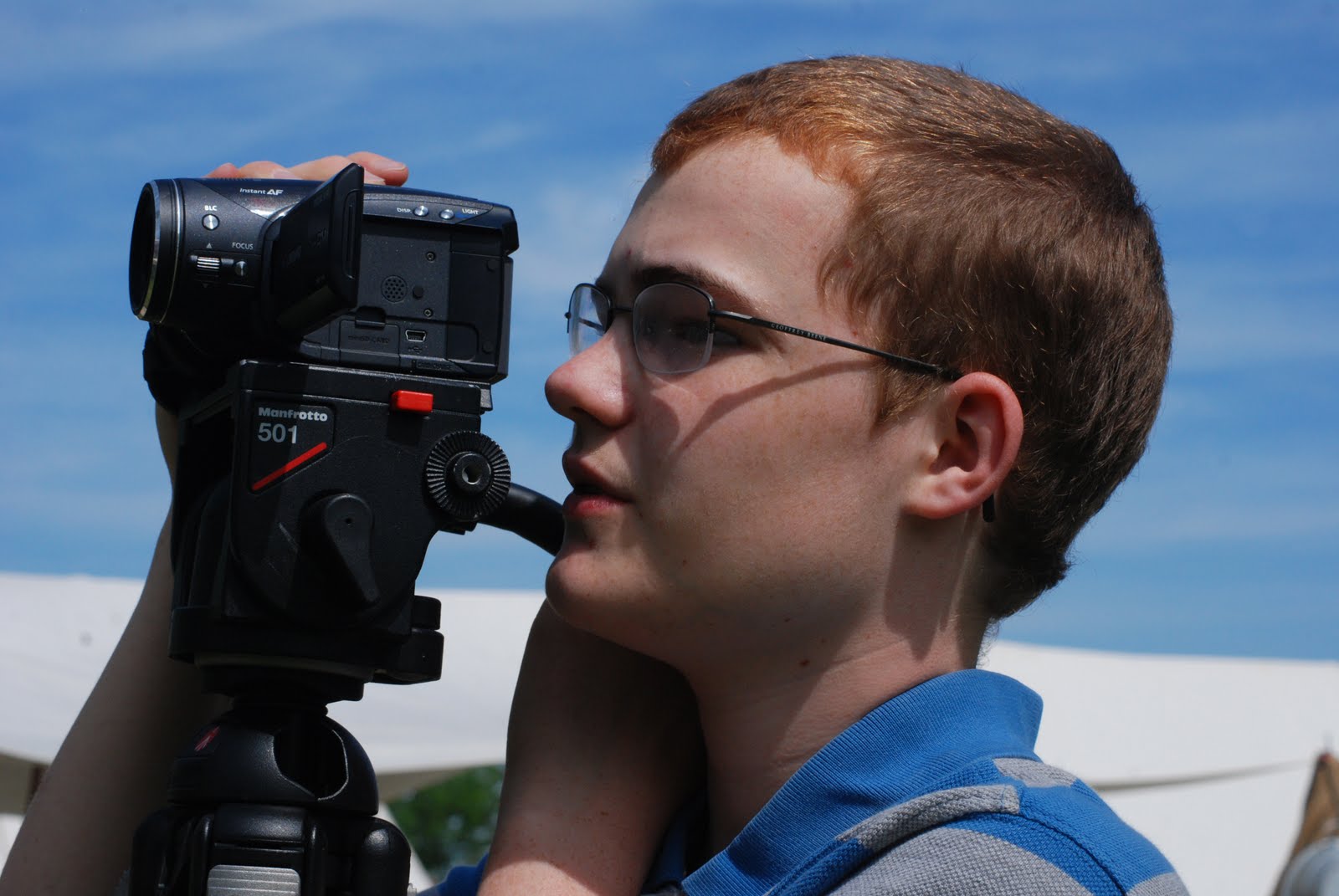
Joshua filming with our camera
A Confederate Battle flag in front of a tent

Bahamas

A few weeks ago my parents went on a few day cruise to the Bahamas. Here are some pictures that they took:


Part of the room


This is the Queen's staircase which led to the fort. It was built by slaves to honor Queen Victoria's help in the abolition of slavery in the Bahamas.


They visited Fort Fincastle, which was built in 1793 to protect the city.


The fort, with the ship in the background

The Three Most Influential Changes in the British Navy From AD. 660-1815

by Stephen Horn
based on The Safeguard of the Sea and The Command of the Ocean by N.A.M. Rodgers

The seas were an influential part of the British Nation. They were used for raids and invasions by other nations, and since Britain is an island its ships were an important part of its defense system. Some of the important changes that were made to ships during AD 660-1815 were the removal of infantry from the ships, the addition of cannon, and the additions in sails and masts. All of these changed the ships and their warfare. Around 660, the ship was the Viking ship, with one mast, and oars for when there was no wind. The main way the ships fought was with the soldiers on board. Around 1815, the ships were mainly men o’ war, with three masts and many sails. The main weapon on these was their cannon, men only boarding a small minority of the time.

Read More